
About Graves' Disease Treatment
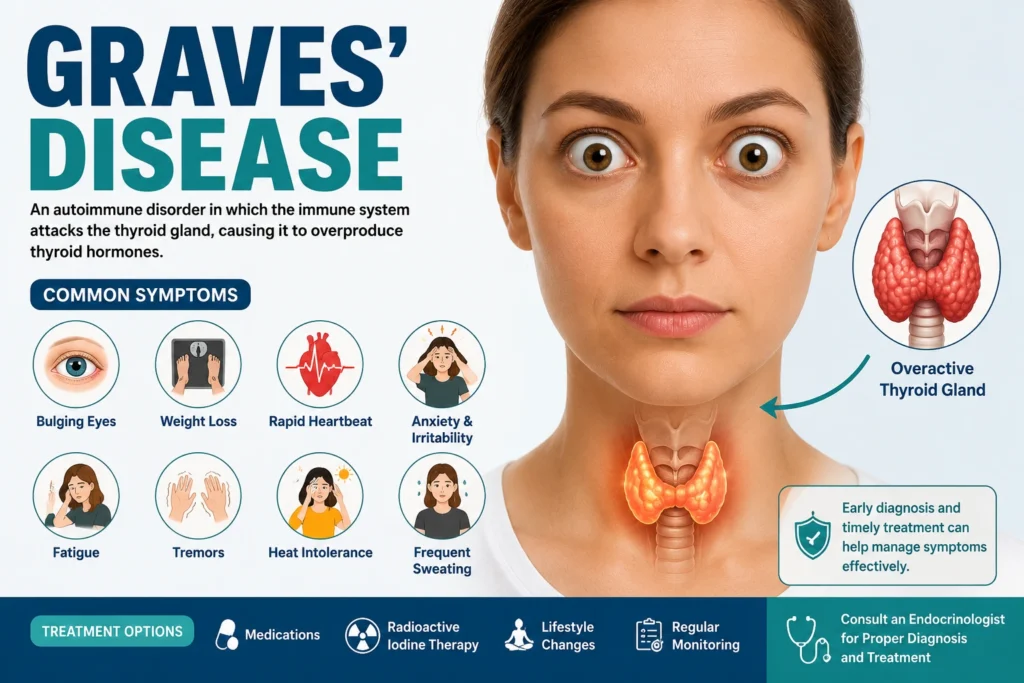
Graves’ disease is an autoimmune disorder that causes the thyroid gland to produce excessive thyroid hormones, leading to hyperthyroidism. This condition speeds up the body’s metabolism and may result in weight loss, rapid heartbeat, anxiety, excessive sweating, and tremors. Early diagnosis and appropriate treatment are essential to control thyroid hormone levels, relieve symptoms, and prevent long-term complications. A personalized treatment plan helps patients maintain normal thyroid function and improve their overall health.
What is Graves' Disease?
Graves’ disease is the most common cause of hyperthyroidism. It occurs when the immune system mistakenly attacks the thyroid gland, causing it to produce more thyroid hormones than the body needs. In some patients, the condition may also affect the eyes, leading to swelling, irritation, or bulging eyes. With proper medical care, Graves’ disease can be effectively managed.
Diagnosis of Graves' Disease
Diagnosis begins with a detailed medical history and physical examination. The doctor may recommend thyroid function tests (TSH, T3, and T4), thyroid antibody tests, thyroid ultrasound, or a radioactive iodine uptake scan when required. These tests help confirm the diagnosis and determine the severity of the disease.
Causes of Graves' Disease
Graves’ disease is an autoimmune condition in which the body’s immune system produces antibodies that overstimulate the thyroid gland. Although the exact cause is unknown, genetic factors, family history, stress, smoking, and hormonal changes may increase the risk of developing the condition.
Benefits of Treatment
Proper treatment helps normalize thyroid hormone levels, reduce symptoms, improve heart function, control weight loss, relieve anxiety, improve sleep quality, and reduce the risk of serious complications such as heart rhythm disorders and osteoporosis. Early treatment also helps improve overall quality of life.
Symptoms of Graves' Disease
Common symptoms of Graves’ disease include:
- Unexplained weight loss
- Rapid or irregular heartbeat
- Increased sweating
- Anxiety and nervousness
- Tremors in the hands
- Heat intolerance
- Enlarged thyroid gland (Goiter)
- Difficulty sleeping
- Muscle weakness
- Bulging or irritated eyes (Graves’ eye disease)
If you experience these symptoms, consult a doctor for evaluation.
Why Choose Dr. M. R. Patel?
Dr. M. R. Patel is a Diabetes & Thyroid Specialist with over 10 years of experience in diagnosing and treating thyroid disorders, including Graves’ disease and hyperthyroidism. He provides personalized treatment plans, accurate diagnosis, evidence-based care, and long-term follow-up to help patients achieve better thyroid health.
Why Choose Our Clinic?
Our clinic offers comprehensive thyroid evaluation, advanced diagnostic testing, personalized treatment, patient education, and continuous follow-up care. We focus on identifying the underlying cause of thyroid disorders and providing effective long-term management in a patient-friendly environment.
Frequently Asked Questions (FAQs)
What is Graves' disease?
Graves’ disease is an autoimmune disorder that causes the thyroid gland to produce excessive thyroid hormones, resulting in hyperthyroidism.
What are the common symptoms of Graves' disease?
Common symptoms include weight loss, rapid heartbeat, anxiety, excessive sweating, tremors, heat intolerance, enlarged thyroid gland, and bulging eyes in some patients.
What causes Graves' disease?
Graves’ disease occurs when the immune system mistakenly stimulates the thyroid gland to produce excess thyroid hormones. Genetics, smoking, stress, and family history may increase the risk.
How is Graves' disease diagnosed?
Diagnosis includes a physical examination, thyroid function tests (TSH, T3, T4), thyroid antibody tests, thyroid ultrasound, and sometimes a radioactive iodine uptake scan.
How is Graves' disease treated?
Treatment may include anti-thyroid medications, medicines to control symptoms, radioactive iodine therapy, or thyroid surgery depending on the severity of the condition.
Can lifestyle changes help manage Graves' disease?
Yes. Taking medications as prescribed, avoiding smoking, eating a balanced diet, managing stress, and attending regular follow-up appointments can support treatment.
When should I consult a doctor for Graves' disease?
Consult a doctor if you experience unexplained weight loss, rapid heartbeat, excessive sweating, anxiety, tremors, neck swelling, or eye changes. Early diagnosis and treatment improve outcomes and help prevent complications.