Metabolic & Lifestyle Disorders

Obesity Treatment

Obesity is a medical condition characterized by excessive body fat that increases the risk of serious health problems such as diabetes, heart disease, high blood pressure, joint issues, and hormonal imbalance. With proper medical guidance and lifestyle changes, obesity can be effectively managed.

Causes of Obesity

Obesity may result from unhealthy eating habits, lack of physical activity, hormonal imbalance, genetics, stress, poor sleep, or underlying medical conditions such as thyroid disorders and PCOS.

Health Risks Associated with Obesity

Type 2 diabetes
Heart disease and high blood pressure
Joint and back pain
Fatty liver disease
Hormonal imbalance
Reduced quality of life

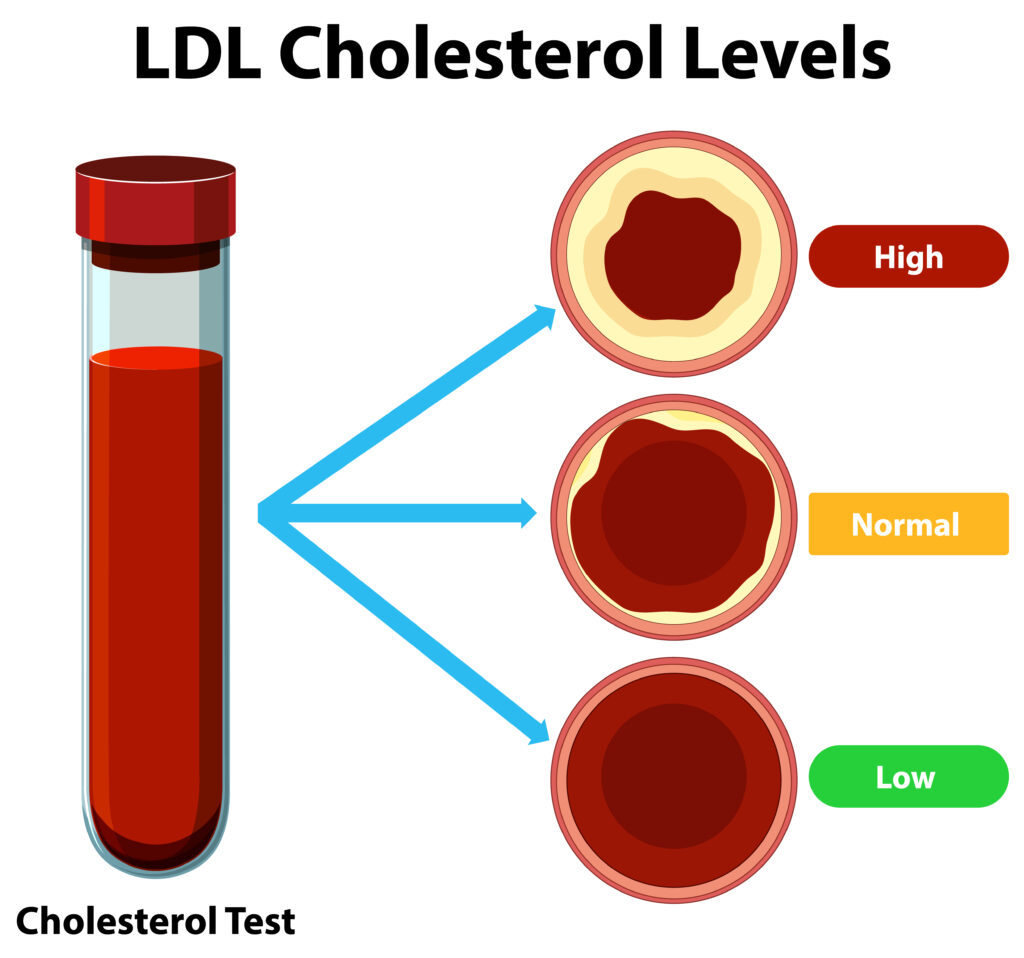
High Cholesterol

High cholesterol is a condition in which excess cholesterol builds up in the blood, increasing the risk of heart disease, stroke, and other cardiovascular problems. Managing cholesterol levels on time is essential for maintaining a healthy heart and overall well-being.

Causes of High Cholesterol

High cholesterol can be caused by unhealthy diet, lack of physical activity, obesity, smoking, excessive alcohol intake, genetic factors, and medical conditions such as diabetes and thyroid disorders.

Types of Cholesterol

LDL (Bad Cholesterol): Increases risk of heart disease
HDL (Good Cholesterol): Helps protect the heart
Triglycerides: High levels increase cardiovascular risk

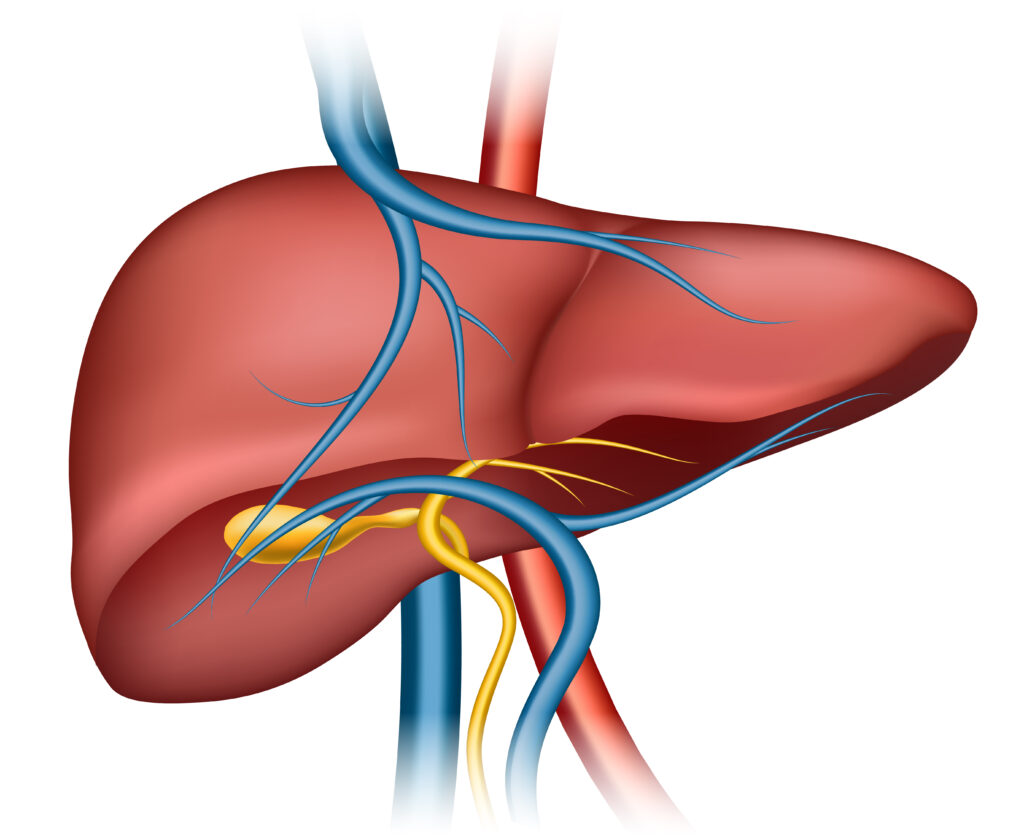
Fatty Liver

Fatty liver disease is a condition in which excess fat accumulates in the liver cells. It is becoming increasingly common due to unhealthy lifestyle habits, obesity, diabetes, and high cholesterol. If detected early, fatty liver can be reversed with proper treatment and lifestyle changes.

Types of Fatty Liver

Non-Alcoholic Fatty Liver Disease (NAFLD) – caused by obesity, diabetes, insulin resistance, and poor diet
Alcoholic Fatty Liver Disease – caused by excessive alcohol consumption

Common Symptoms of Fatty Liver

Fatigue and weakness
Abdominal discomfort
Unexplained weight gain
Loss of appetite

Metabolic Syndrome

Metabolic Syndrome is a group of conditions that occur together and significantly increase the risk of heart disease, stroke, and type 2 diabetes. These conditions include high blood sugar, high blood pressure, excess abdominal fat, high triglycerides, and low HDL (good cholesterol). Early diagnosis and proper management are essential to prevent serious health complications.

Causes of Metabolic Syndrome

Metabolic syndrome is commonly linked to insulin resistance, obesity, physical inactivity, unhealthy diet, hormonal imbalance, stress, and genetic factors. Conditions such as diabetes, thyroid disorders, and PCOS can increase the risk.

Common Features of Metabolic Syndrome

Increased waist circumference (abdominal obesity)
High blood sugar levels
High blood pressure
High triglycerides
Low HDL (good cholesterol)

Scroll to Top