Diagnostic & Monitoring Services

Thyroid Profile Tests

Thyroid profile tests are essential for evaluating the health and function of the thyroid gland. These tests help diagnose thyroid disorders such as hypothyroidism and hyperthyroidism and guide proper treatment and long-term management.

What are Thyroid Profile Tests?

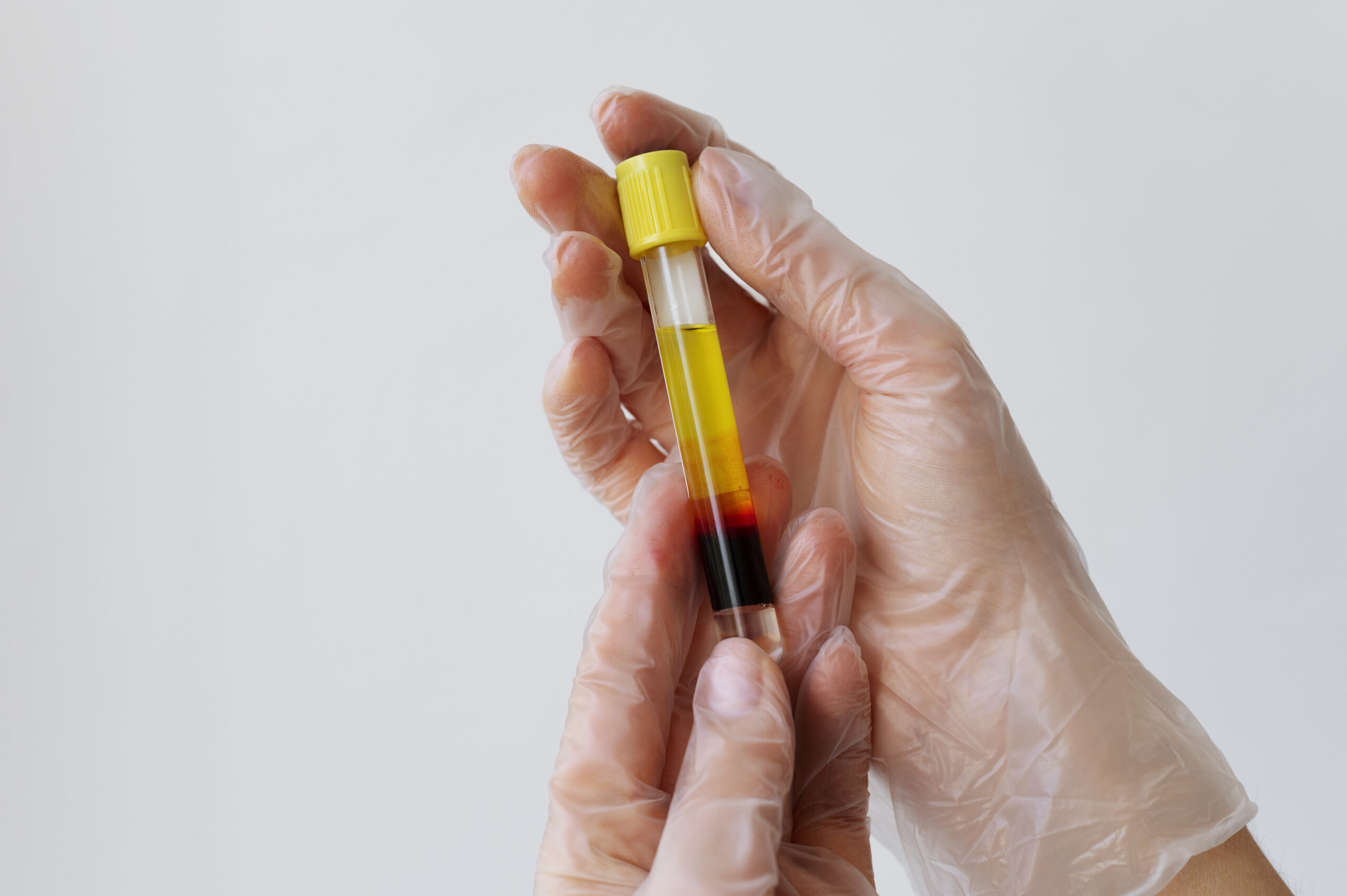
A thyroid profile is a group of blood tests that measure thyroid hormone levels and assess whether the thyroid gland is underactive or overactive.

Common Thyroid Profile Tests

TSH (Thyroid Stimulating Hormone): Primary screening test for thyroid disorders
T3 (Triiodothyronine): Measures active thyroid hormone levels
T4 (Thyroxine): Evaluates overall thyroid hormone production
Free T3 & Free T4: Provide more accurate hormone assessment
Thyroid Antibody Tests (if required): Help detect autoimmune thyroid diseases

Lipid Profile

A lipid profile is a blood test used to measure cholesterol and fat levels in the body. It plays a vital role in assessing heart health and the risk of cardiovascular diseases such as heart attack and stroke. Regular lipid profile testing helps in early detection and effective management of cholesterol-related problems.

What Does a Lipid Profile Measure?

Total Cholesterol
LDL (Bad Cholesterol)
HDL (Good Cholesterol)
Triglycerides
VLDL (Very Low-Density Lipoprotein)

Why is a Lipid Profile Important?

High cholesterol usually does not cause symptoms. A lipid profile helps identify hidden risks early and allows timely lifestyle changes and treatment to prevent heart disease.

When Should You Get a Lipid Profile Test?

Family history of heart disease
Diabetes, obesity, or high blood pressure
Unhealthy lifestyle or sedentary habits
After the age of 30 or as advised by a doctor

Blood Pressure Monitoring

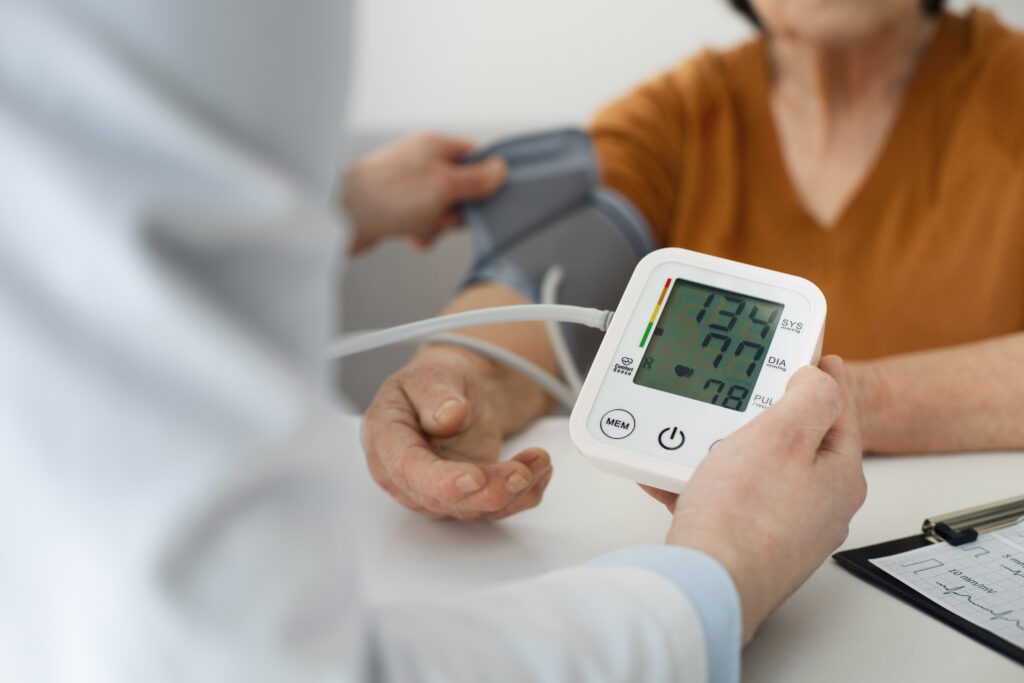
Blood pressure monitoring is essential for detecting, managing, and preventing hypertension and related heart problems. Regular monitoring helps reduce the risk of heart attack, stroke, kidney disease, and other serious complications.

Why Blood Pressure Monitoring is Important

High blood pressure often shows no early symptoms but can silently damage the heart, brain, and kidneys. Regular blood pressure checks help in early diagnosis and timely treatment.

Normal Blood Pressure Levels

Normal: Below 120/80 mmHg
Elevated / High: As advised by a doctor

Routine Health Check Guidance

Routine health check-ups are essential for early detection of medical conditions and maintaining long-term health. Regular health screenings help identify problems at an early stage, even before symptoms appear, allowing timely treatment and prevention of serious complications.

What Does a Routine Health Check Include?

Blood sugar tests (Fasting, PP, HbA1c)
Blood pressure monitoring
Thyroid profile tests
Liver and kidney function tests
BMI and weight assessment
Scroll to Top