Diabetes Treatment

Type 1 Diabetes Treatment

Type 1 Diabetes requires lifelong insulin therapy to maintain healthy blood sugar levels. Treatment includes insulin injections or pump therapy, regular glucose monitoring, a balanced diet, and lifestyle management for effective diabetes control.

Type 1 Diabetes Treatment Mainly Includes:

Insulin injections or insulin pump therapy
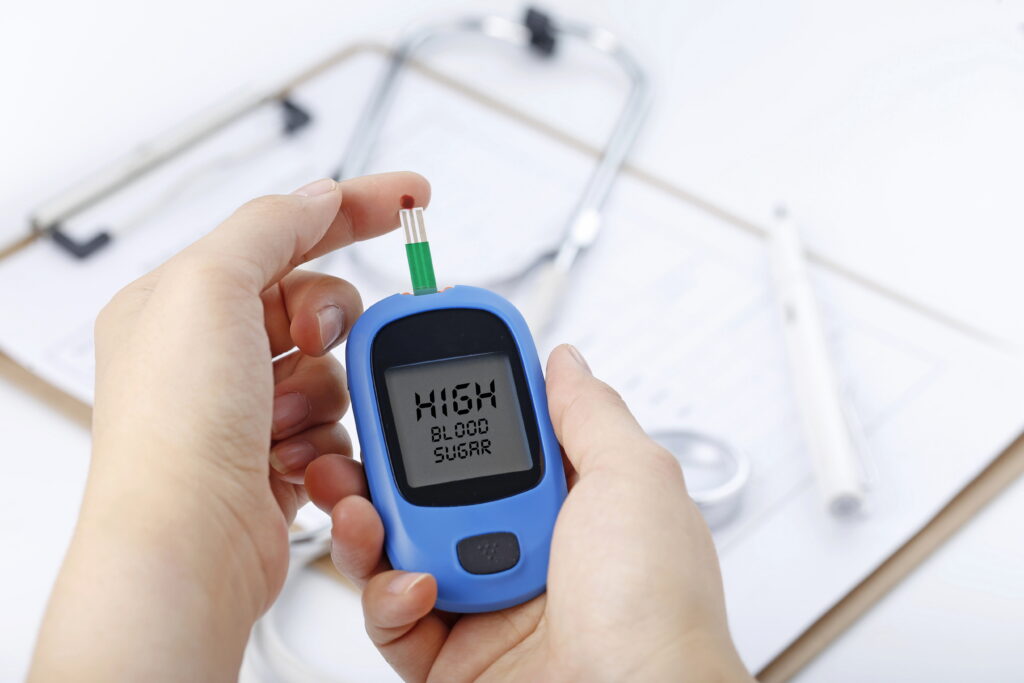
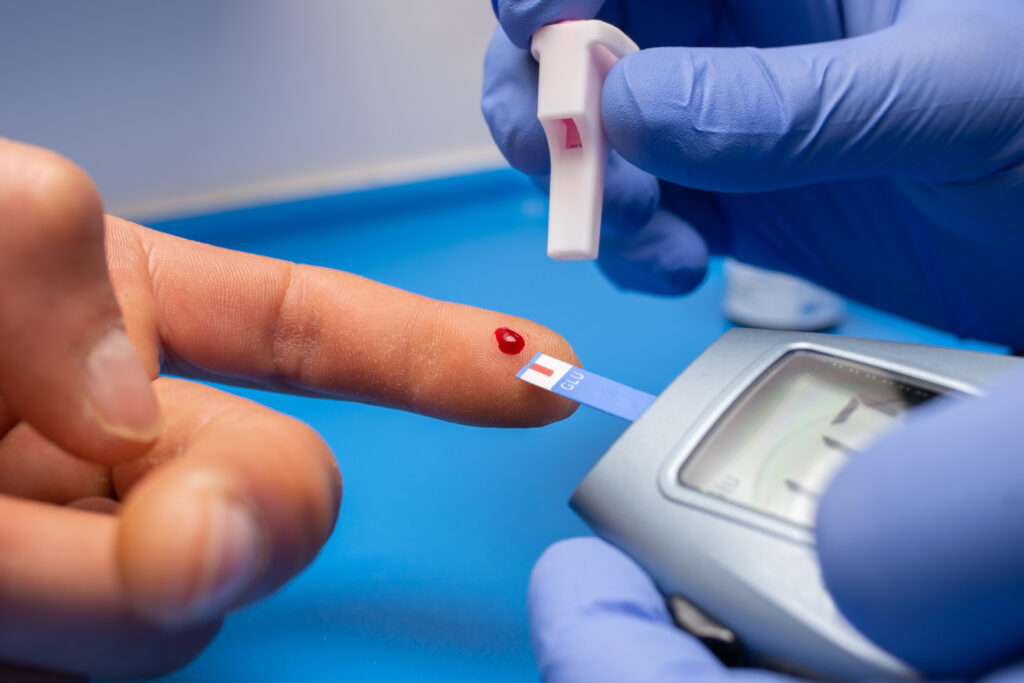
Regular blood sugar monitoring
Healthy diet and carbohydrate management
Regular exercise and lifestyle guidance
Doctor-supervised diabetes care

Type 2 Diabetes Treatment

Type 2 Diabetes is managed through a combination of healthy lifestyle changes and medical care. Treatment includes blood sugar–lowering medications or insulin, regular glucose monitoring, a balanced diet, exercise, weight management, and ongoing doctor-supervised diabetes care to prevent complications.

Type 2 Diabetes Treatment Mainly Includes:

Oral diabetes medications or insulin therapy
Regular blood sugar monitoring
Healthy diet and carbohydrate management
Regular exercise and lifestyle guidance
Doctor-supervised diabetes care

Gestational Diabetes Care

Gestational diabetes is a condition where blood sugar levels rise during pregnancy. Proper gestational diabetes care is essential to ensure the health and safety of both mother and baby. Care includes regular blood sugar monitoring, a balanced pregnancy-specific diet, safe physical activity, and medications or insulin if required. With timely diagnosis and doctor-supervised care, gestational diabetes can be effectively managed and pregnancy complications can be prevented. Regular follow-ups and post-delivery monitoring also help reduce future diabetes risk.

Blood Sugar Control & Monitoring

Blood sugar control and regular monitoring are essential for managing diabetes and maintaining overall health. Proper control helps prevent serious complications such as heart disease, kidney problems, nerve damage, and vision loss. With the right care, lifestyle changes, and medical guidance, blood sugar levels can be effectively managed. Care includes regular blood sugar monitoring, a balanced pregnancy-specific diet, safe physical activity, and medications or insulin if required. With timely diagnosis and doctor-supervised care, gestational diabetes can be effectively managed and pregnancy complications can be prevented. Regular follow-ups and post-delivery monitoring also help reduce future diabetes risk.

Normal Blood Sugar Levels

Fasting Blood Sugar: 70–99 mg/dL
Postprandial (After Meals): Below 140 mg/dL
HbA1c: Below 5.7% (non-diabetic range)

Insulin Therapy & Adjustment

Insulin therapy is an essential treatment for people with diabetes who are unable to maintain healthy blood sugar levels through diet, exercise, and oral medications alone. Proper insulin therapy and timely dose adjustment help keep blood sugar levels stable and prevent serious diabetes-related complications.

What is Insulin Therapy?

Insulin therapy involves using insulin injections or insulin pumps to regulate blood glucose levels. It is commonly recommended for individuals with Type 1 diabetes and for some patients with Type 2 diabetes when other treatments are not sufficient.

Importance of Insulin Dose Adjustment

Insulin needs may change due to diet, physical activity, illness, stress, or lifestyle changes. Regular monitoring and proper adjustment of insulin dosage under doctor supervision help avoid low blood sugar (hypoglycemia) and high blood sugar (hyperglycemia).

Diabetes Diet Counseling

Diabetes diet counseling plays a crucial role in maintaining healthy blood sugar levels and preventing diabetes-related complications. A well-planned diet helps control glucose levels, supports weight management, and improves overall health.

Benefits of Proper Diabetes Diet

Better blood sugar control
Improved energy levels
Healthy weight management
Reduced risk of heart, kidney, and nerve complications

Diabetes Complication Prevention

Diabetes complication prevention focuses on protecting vital organs and maintaining long-term health by keeping blood sugar levels under control. With timely care and proper management, many serious diabetes-related complications can be prevented or delayed.

Common Diabetes-Related Complications

Heart and blood vessel disease
Kidney damage (Diabetic Nephropathy)
Nerve damage (Diabetic Neuropathy)
Eye problems (Diabetic Retinopathy)
Foot ulcers and infections

Role of Doctor-Supervised Diabetes Care

Regular medical follow-ups help detect complications early and allow timely treatment. Personalized diabetes care plans ensure better control and long-term protection against organ damage.
Scroll to Top